Digital Payment Ecosystems: How Apps Manage Global Transaction Flows in 2026
Written by Klara Krüger · Oct 10, 2026

Digital Payment Ecosystems: How Apps Manage Global Transaction Flows in 2026
Payment apps have expanded their reach across borders as users conduct more international transfers each year, and data from regulatory bodies shows steady growth in cross-border volume through digital channels. Observers note that these platforms connect local banking systems with global networks, allowing funds to move between accounts in different currencies while maintaining compliance with varying regional rules. Researchers at academic institutions have documented how apps process millions of such exchanges daily, relying on secure protocols that verify identities at multiple stages before completion.
Core Mechanisms Driving International Transfers
Apps achieve this connectivity through partnerships with established financial institutions and clearing houses, which handle the actual movement of funds once the user initiates a request. Studies indicate that in many cases the process begins with currency conversion calculations based on real-time exchange rates, followed by authorization checks that pull from both sender and recipient verification databases. Those who've examined the systems point out that fees often vary depending on the destination country and payment speed selected, with faster options typically carrying higher costs due to priority processing.
Take one researcher who analyzed transaction patterns and found that apps frequently update their routing algorithms to avoid congested pathways during peak hours. This adjustment helps maintain consistent delivery times even when volumes spike, and evidence from industry reports confirms the approach reduces average delays by noticeable margins. Data shows that users in regions with high remittance activity benefit particularly from these optimizations, as transfers reach recipients without extended holds.
Regulatory Shifts and October 2026 Updates
Changes scheduled for October 2026 include new requirements from the European Central Bank on transparency in fee disclosures for cross-border services, which payment apps must incorporate into their interfaces. Similar adjustments appear in guidelines issued by authorities in Australia and Canada, focusing on consumer protections during currency fluctuations. According to information from the European Central Bank, these measures aim to standardize reporting so that users receive clear breakdowns before confirming transfers.
Apps respond by embedding automated alerts that flag potential compliance issues at the point of initiation, and figures from the Federal Reserve reveal that such features have already lowered error rates in test environments. Observers note that integration with these updated standards occurs through software patches rolled out in phases, allowing providers time to test against live networks without disrupting ongoing operations.
Adaptations in Technology and User Handling
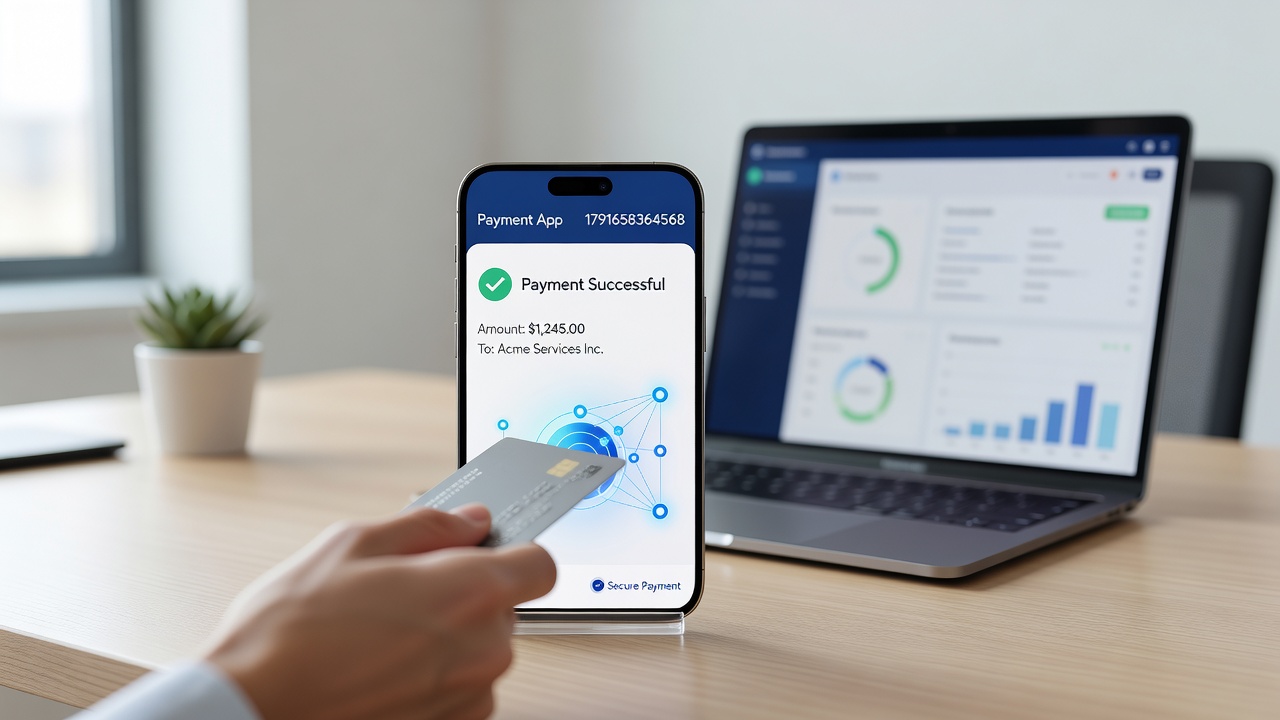
Behind the scenes, payment apps employ layered encryption and real-time monitoring to track fund movements from origin to destination, with systems that flag anomalies for review by automated tools before human intervention occurs. People who've studied these setups report that machine learning models assist in predicting congestion points, drawing from historical data sets that span multiple years and geographic zones. This predictive capability supports smoother handling when markets experience volatility, as seen during periods of economic adjustment.
One study revealed that apps incorporating these models achieved higher completion rates for transfers exceeding certain thresholds, and the patterns hold across both consumer and business accounts. Those examining the records emphasize that the technology also logs metadata such as device location and network type, which aids in verifying legitimacy without storing unnecessary personal details beyond regulatory minimums.
Market Data and Adoption Patterns
Global adoption continues to rise as more regions gain reliable internet access, with statistics indicating that emerging markets account for a growing share of active app users. Researchers discovered that features allowing scheduled recurring payments across borders contribute significantly to this trend, particularly among users managing family or business obligations in multiple countries. Evidence suggests that integration with local payment rails, such as those used in Southeast Asia and Latin America, further accelerates acceptance by reducing reliance on traditional wire services.
What's interesting is how these expansions create feedback loops where increased volume leads to refined processing speeds, and reports confirm that average transaction times have decreased steadily over recent quarters. Apps achieve this through expanded partnerships that bring additional clearing options into the network, distributing load more evenly during high-demand periods.
Conclusion
Payment apps continue evolving their global capabilities through a combination of regulatory alignment, technological refinement, and expanded institutional ties, as shown by developments leading into October 2026. Data from multiple sources illustrates consistent progress in handling diverse transaction types while meeting compliance demands across jurisdictions. Those monitoring the sector expect further adjustments as new standards take effect and user bases expand into additional markets.