Integrating Entry Mechanisms with Persistent Safeguards in Digital Wallet Systems
Written by Ines Brooks · Oct 24, 2026
Integrating Entry Mechanisms with Persistent Safeguards in Digital Wallet Systems
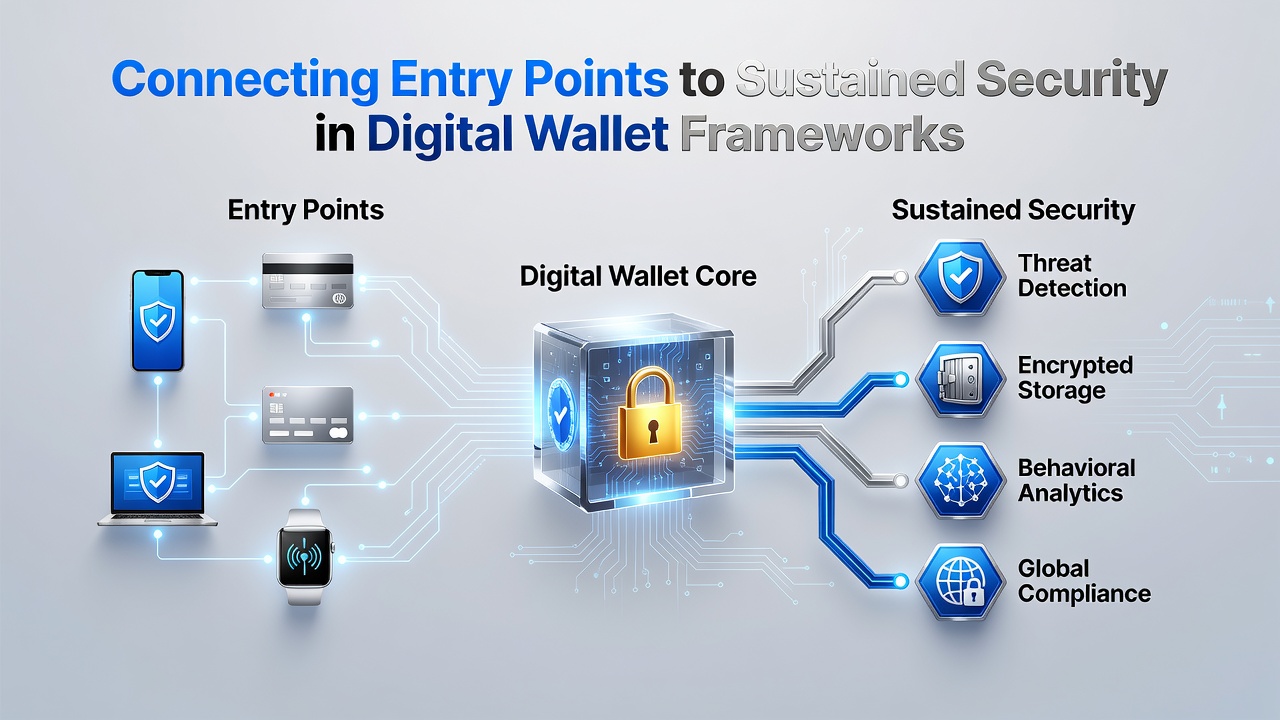
Digital wallet frameworks begin with entry points such as user registration and initial authentication sequences, and these stages directly shape the architecture of long-term security measures that protect ongoing transactions and data storage. Researchers at institutions focused on financial technology have documented how choices made during onboarding, including method selection and consent protocols, establish the baseline for encryption standards and monitoring systems that persist throughout the wallet's lifecycle.
Foundational Steps in Access Initiation
Registration processes in mobile payment platforms collect identifiers and link them to cryptographic keys, while authentication sequences verify these elements before granting continued access, and studies from the National Institute of Standards and Technology indicate that robust initial verification reduces subsequent breach risks across encrypted ledgers. Payment providers integrate multi-factor checks at this stage because they feed directly into sustained protocols such as real-time anomaly detection and key rotation schedules that operate months or years later.
Data flows from these entry mechanisms inform adaptive algorithms that refine fraud filters without requiring repeated user intervention, yet the connection remains traceable through audit logs that regulatory frameworks in multiple regions require for compliance verification. Observers note that wallets deployed in the European Union must align initial data collection practices with directives that extend privacy protections into operational security layers, creating a chain where early decisions determine the strength of later defenses.
Transmission of Protections Across the System Lifecycle
Once entry points establish user profiles and preferred transaction methods, these records guide the deployment of persistent features including end-to-end encryption and behavioral analytics that evolve with usage patterns. Figures from industry analyses reveal that wallets incorporating detailed onboarding data into their security engines demonstrate lower rates of unauthorized access over extended periods compared with systems that treat registration as an isolated step.
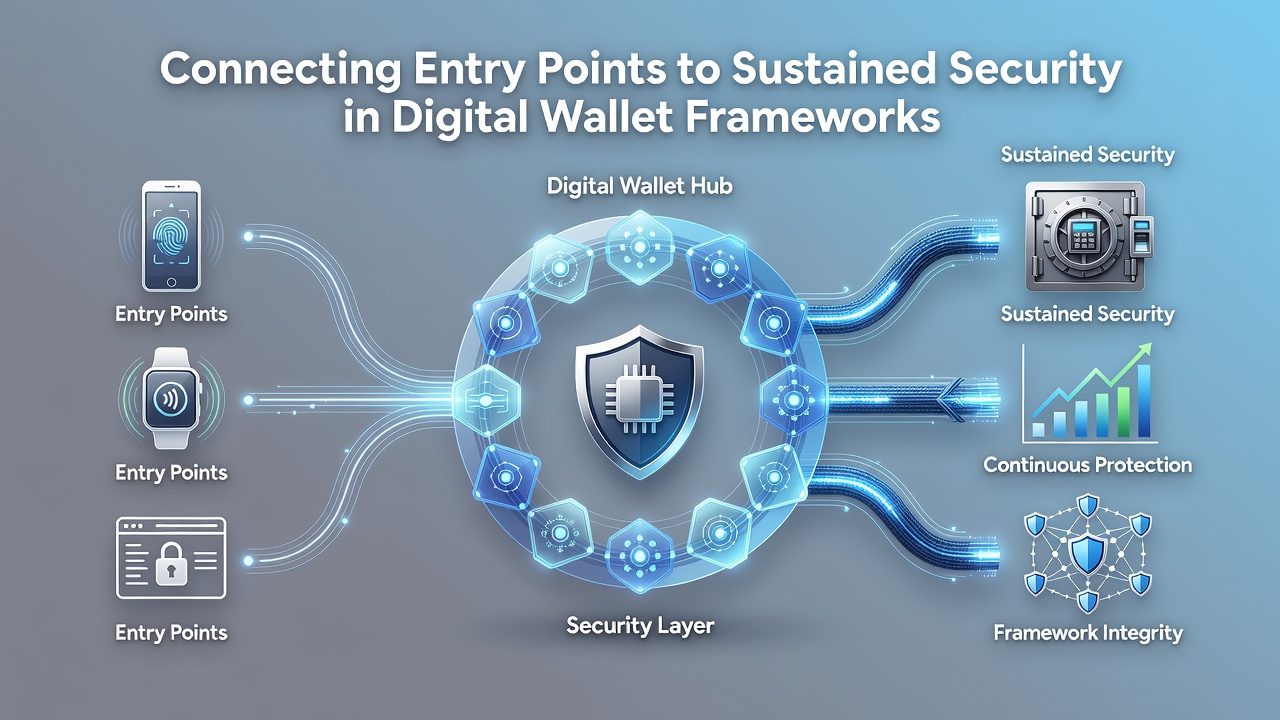
Support interactions that occur after initial setup further refine these protections because they generate additional data points that update threat models and access controls, while cryptographic integration ensures that historical choices remain shielded even as algorithms adjust. In October 2026 several platforms introduced automated updates that explicitly reference onboarding metadata to calibrate new privacy layers, demonstrating how entry information continues to influence system behavior without exposing raw user details.
Academic examinations of mobile finance platforms have traced specific pathways where registration consents determine the granularity of transaction archives that later support forensic analysis during security incidents. This linkage operates through standardized interfaces that allow entry-point data to populate long-term repositories while maintaining separation between identifiable information and aggregated security intelligence.
Regulatory and Technical Alignment
Government agencies across North America and Asia-Pacific regions have issued guidelines that require digital wallet operators to document how onboarding processes map onto enduring security architectures, and compliance reports show measurable improvements in incident response times when such mappings exist. Industry organizations tracking payment innovations report that frameworks connecting these elements achieve higher certification rates under international standards for data protection and transaction integrity.
Encryption sequences initiated at first access carry forward through session management and storage protocols, whereas behavioral signals collected early enable predictive safeguards that activate during high-volume periods without additional configuration. Those who have examined production systems note that the absence of clear linkages between entry mechanisms and sustained measures correlates with increased vulnerability windows during software updates or regulatory shifts.
Conclusion
Entry mechanisms in digital wallet frameworks establish the parameters within which sustained security measures develop and operate, and evidence from technical evaluations confirms that deliberate integration at the outset produces measurable continuity in protection levels. Continued alignment between initial access protocols and ongoing safeguards remains essential as platforms incorporate new capabilities while meeting evolving compliance expectations across jurisdictions.