Regional Regulatory Frameworks Influencing Digital Wallet Capabilities via User History Analysis
Written by Clara Beck · Aug 16, 2026
Regional Regulatory Frameworks Influencing Digital Wallet Capabilities via User History Analysis
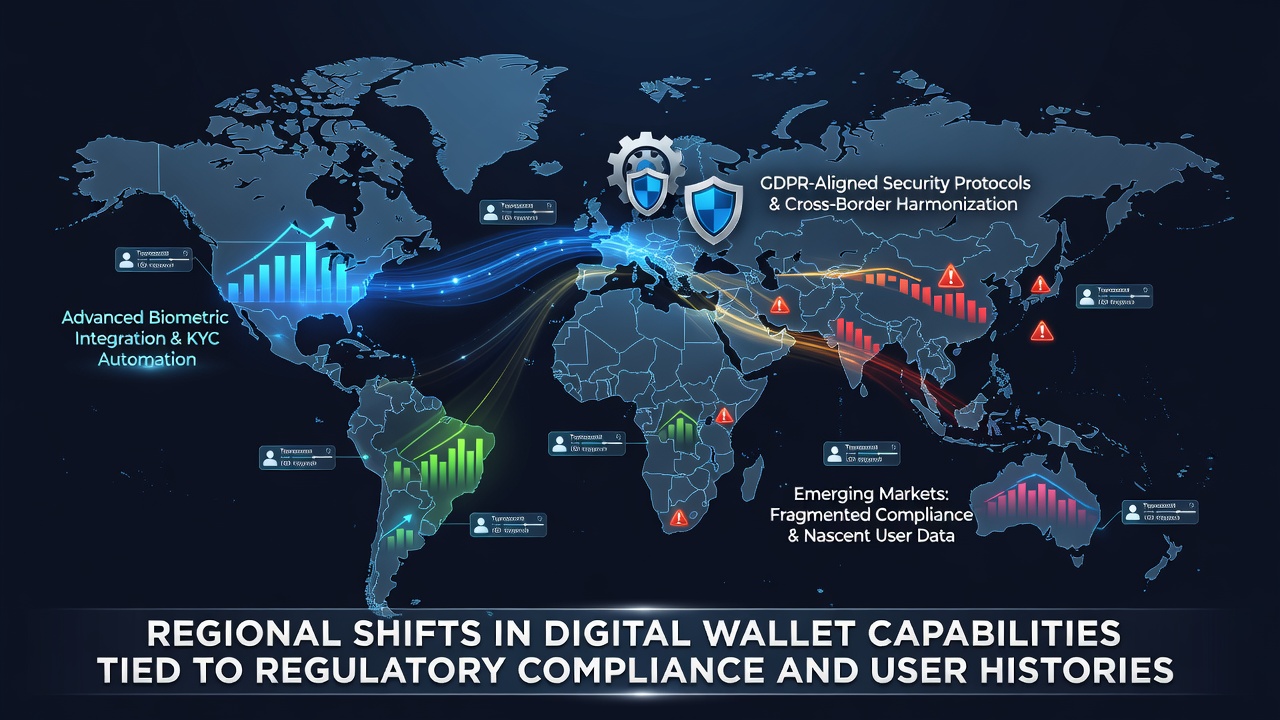
Digital wallet platforms continue to adjust their feature sets in response to varying regulatory demands across different jurisdictions, with user transaction histories serving as a key data source for compliance verification and risk assessment. These adjustments reflect ongoing efforts by financial authorities to balance innovation with consumer protection standards while drawing on patterns observed in payment records and account activity logs.
Compliance Requirements Across Major Markets
European markets have implemented layered authentication protocols that require digital wallets to cross-reference user histories against anti-money laundering databases, and this approach stems from directives updated in recent years that mandate real-time screening of transaction sequences. In contrast, several Asian economies have focused on tiered access models where wallet capabilities expand or restrict based on accumulated usage data, allowing providers to scale features such as instant transfers or cross-border payments only after users meet specific activity thresholds documented in their records.
North American frameworks emphasize data retention periods tied directly to user histories, requiring platforms to maintain detailed logs of method selections and transaction types for extended review cycles. Observers note that these rules have prompted wallet operators to integrate automated flagging systems that analyze historical spending behaviors to identify potential compliance gaps before they escalate into regulatory issues.
User Histories as Drivers of Feature Availability
Transaction archives play a central role in determining which capabilities become accessible to individual users within regional boundaries, and companies often apply machine learning models trained on past payment patterns to predict and enforce regulatory adherence. For instance, wallets in certain jurisdictions limit high-value transfers until a user's history demonstrates consistent low-risk activity over multiple months, creating a feedback mechanism that links prior behavior to expanded service options.
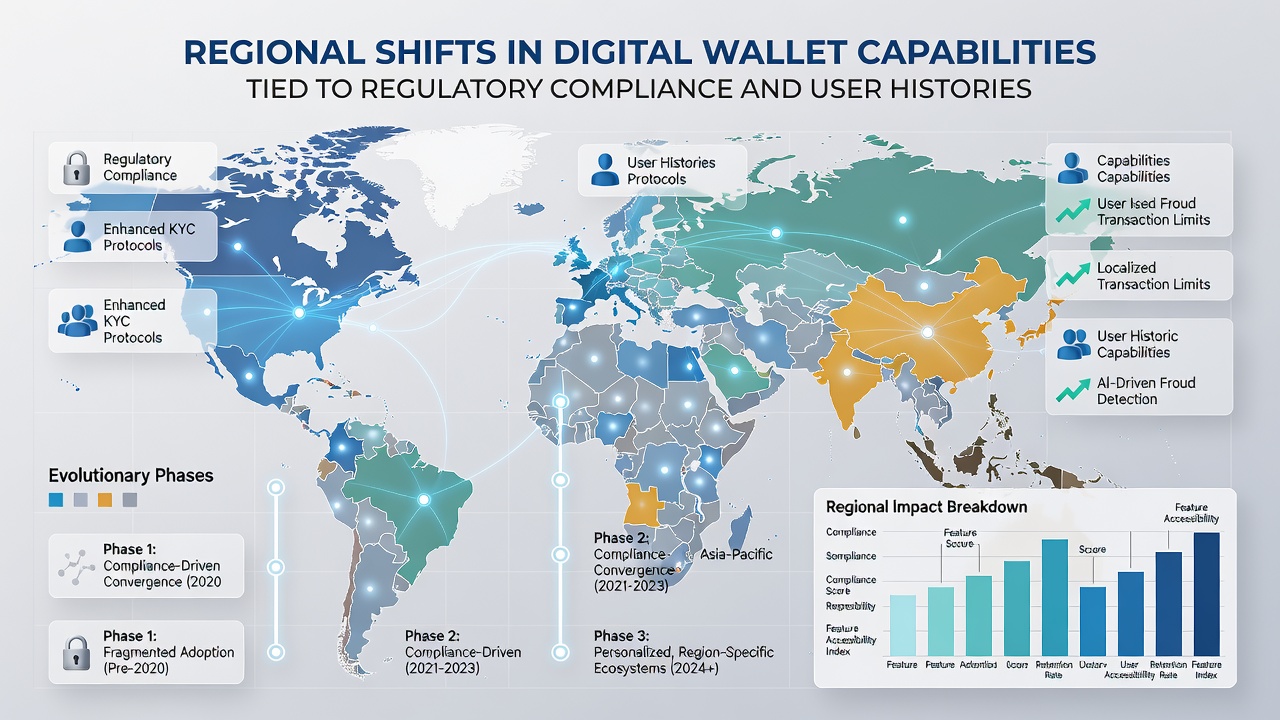
Data from regulatory filings shows that platforms operating across borders must reconcile conflicting standards by segmenting features according to the user's primary jurisdiction while still incorporating global transaction insights. This segmentation process relies heavily on stored histories to ensure that capabilities such as recurring payments or merchant integrations remain available only where local rules permit, and adjustments occur dynamically as new compliance updates take effect.
August 2026 Developments and Their Implications
As of August 2026, several regulatory bodies introduced revised guidelines that further tie digital wallet expansions to documented user histories, including requirements for periodic audits of how past transactions inform current access levels. These changes have led providers to refine their algorithms so that regional variations in wallet functions align more precisely with compliance mandates while maintaining seamless operation for users whose records show stable patterns.
Research from institutions tracking payment system evolution indicates that such shifts have accelerated the adoption of privacy-preserving techniques in data analysis, allowing companies to extract necessary compliance signals from histories without exposing full details to external reviewers. In practice, this means wallets in regulated zones now display capability restrictions or enhancements based on aggregated insights drawn from millions of prior interactions.
Cross-Regional Comparisons and Data Patterns
Comparative studies reveal that wallets in the European Union tend to prioritize consent-based history sharing for feature unlocks, whereas markets in the Asia-Pacific region often default to automated compliance checks that scan user records continuously. According to a Bank for International Settlements analysis, these differences have resulted in distinct capability rollouts, with some areas seeing faster integration of advanced tools like tokenized payments only after users accumulate qualifying transaction volumes.
Additional reports from the Federal Reserve highlight how user history data influences the speed at which new regional features reach deployment, particularly when cross-border elements introduce extra scrutiny layers. Platforms respond by adjusting interfaces and backend processes to reflect these constraints, ensuring that available functions match both regulatory expectations and the documented risk profiles embedded in account histories.
Conclusion
Regional shifts in digital wallet capabilities remain closely linked to regulatory compliance frameworks and the analytical use of user histories, creating a landscape where feature availability evolves in tandem with policy updates and accumulated transaction evidence. As markets continue to refine these connections, platforms adapt their systems to meet localized demands while leveraging historical data to support consistent security and access standards across diverse operational environments.