Selection Patterns Steering Advancements in Encrypted Mobile Transfer Systems
Written by Ines Brooks · Aug 20, 2026
Selection Patterns Steering Advancements in Encrypted Mobile Transfer Systems
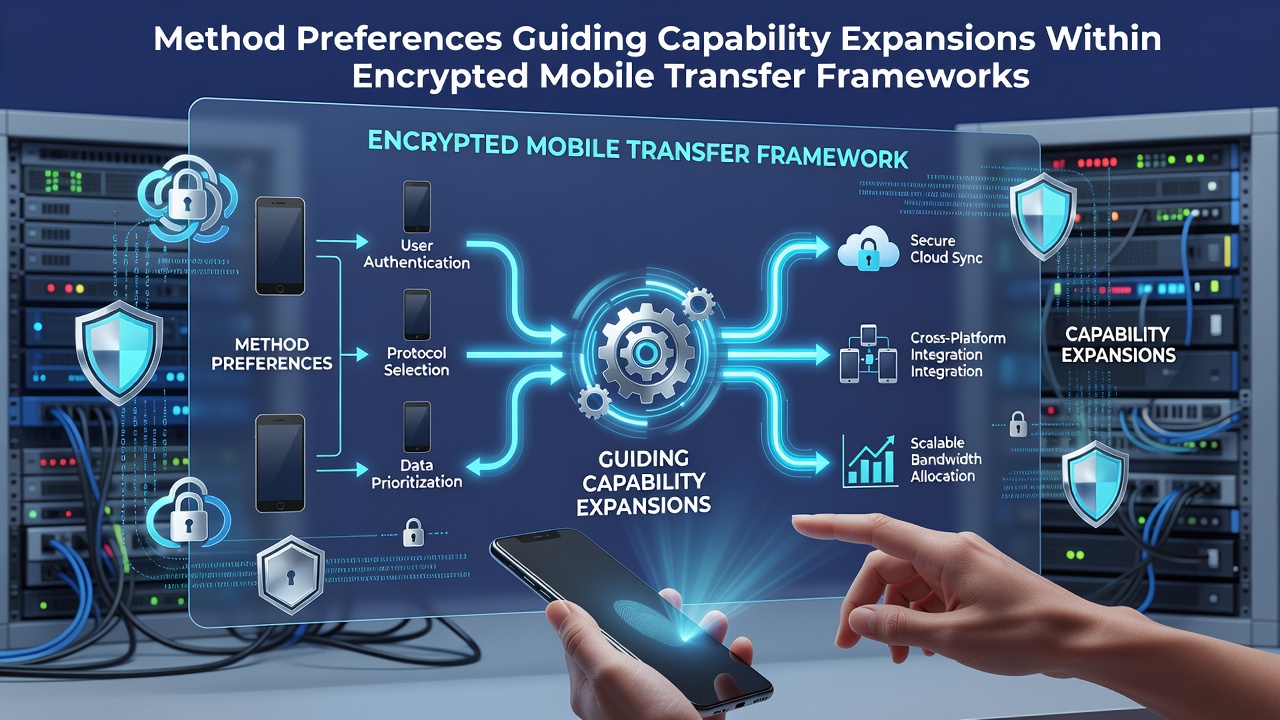
Payment method preferences have shaped how developers expand capabilities inside encrypted mobile transfer frameworks, with data from user selections feeding directly into feature prioritization and security protocol updates. Observers note that choices between credit cards, bank transfers, and digital wallets create distinct data streams that guide teh rollout of new encryption layers and transaction verification tools.
Data Collection Through Method Choices
Users select payment methods at onboarding and during routine transactions, and those selections generate logs that systems analyze to determine which capabilities need scaling. Research from institutions like the University of Toronto's Citizen Lab indicates that patterns in method usage often correlate with requests for faster processing speeds or additional authentication layers. Because encrypted frameworks store these preferences in hashed formats, expansions maintain compliance with data protection rules while allowing targeted improvements.
European Data Protection Board guidelines from 2024 emphasize that method preference data must remain isolated from personal identifiers during analysis phases, yet this separation still permits aggregate insights to influence capability development. In August 2026 several mobile transfer platforms introduced modular encryption upgrades that responded to observed spikes in cryptocurrency method selections across European markets.
Capability Expansions Driven by Preference Trends
When large numbers of users favor contactless methods, frameworks allocate resources toward expanding near-field communication encryption modules. Data shows that regions with higher adoption of instant bank transfer options see quicker deployment of real-time fraud detection tools. Those who've studied these systems report that preference clusters help teams decide whether to enhance tokenization for card methods or to strengthen key rotation schedules for wallet-based transfers.
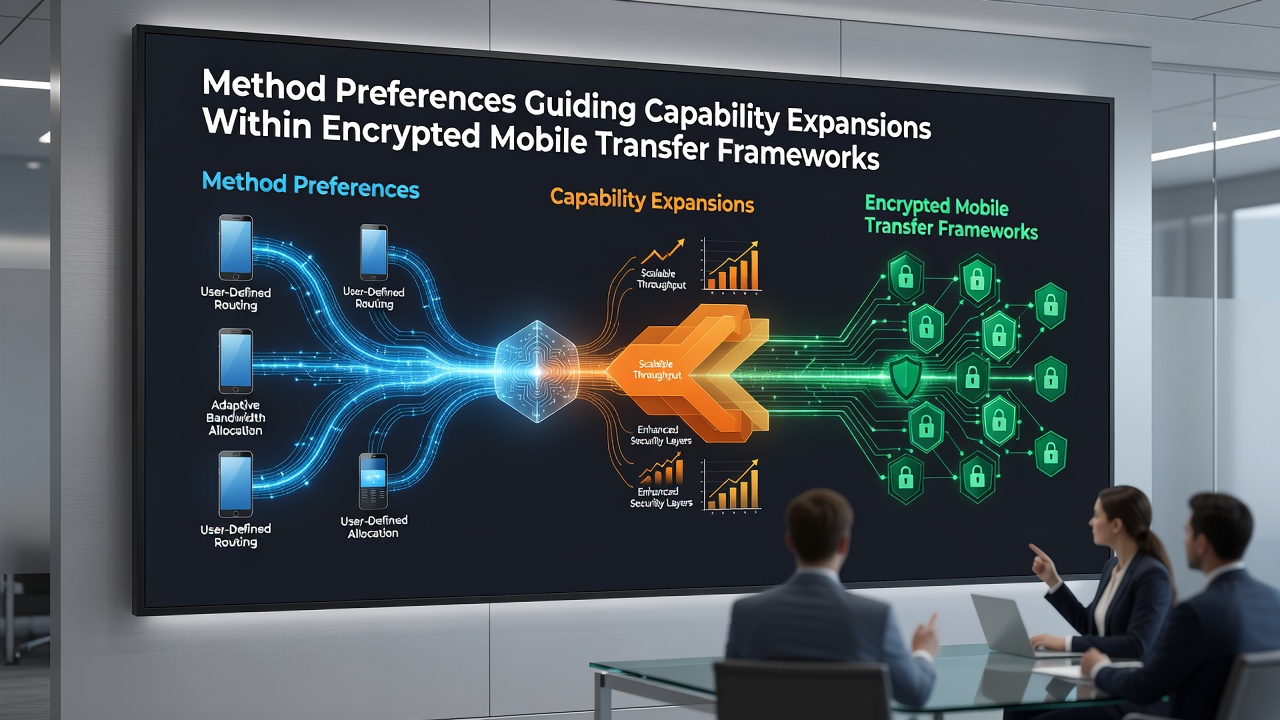
Industry reports from the Australian Payments Network reveal that method preference data collected between 2023 and 2025 directly preceded the addition of multi-party computation features in several domestic apps. These additions allowed encrypted transfers to handle more complex routing without exposing underlying method details. The reality is that such expansions occur only after preference thresholds are met, ensuring resources target actual usage patterns rather than speculative demands.
Security Protocol Adjustments Based on Method Data
Encrypted mobile transfer frameworks adjust security protocols according to the methods users choose most often. When debit card selections dominate in certain demographics, developers strengthen associated PIN verification flows and integrate additional biometric checks. Conversely, higher volumes of digital asset methods prompt expansions in zero-knowledge proof mechanisms that keep wallet balances private during verification.
According to figures from the Canadian Centre for Cybersecurity, platforms that monitored method preferences achieved measurable reductions in unauthorized access attempts after rolling out tailored encryption enhancements. These adjustments integrate into existing architectures without requiring full system overhauls, allowing incremental capability growth that matches observed demand.
Regional Variations in Expansion Timing
Different regulatory environments affect how quickly method preference data translates into new capabilities. Frameworks operating under EU standards tend to require longer validation periods before deploying expansions, while those in Asia-Pacific markets often accelerate rollouts once preference thresholds appear stable. What's interesting is that cross-border platforms must reconcile these timelines, creating hybrid expansion schedules that respect both sets of requirements.
One study from the National University of Singapore documented how preference data from Singaporean users influenced the introduction of quantum-resistant encryption modules ahead of similar features in other regions. The process relied on anonymized logs that preserved method selection details while stripping location identifiers during initial analysis stages.
Future Directions for Preference-Guided Growth
Encrypted mobile transfer frameworks continue to refine how method preferences inform capability expansions, with ongoing work focused on real-time feedback mechanisms that detect emerging trends faster. As more users adopt newer transfer methods, systems gain clearer signals about which encryption and verification tools require priority attention. This feedback loop operates within strict privacy boundaries that prevent individual method histories from influencing unrelated features.
Conclusion
Method preferences provide a reliable signal for guiding capability expansions inside encrypted mobile transfer frameworks, allowing developers to allocate resources based on actual usage data while maintaining compliance with regional data protection standards. The connections between selection patterns and security enhancements demonstrate how user behavior shapes technical evolution without compromising the confidentiality that defines these systems.